Peak shaving
Lower your capacity tariff with a battery that covers your demand peaks instead of the grid, without any change to your operations.


Use case - Reduce electricity costs
Grid fees, price spikes, wasted solar... Bnewable's behind-the-meter battery absorbs the cost before it hits your bills.


From day 1
reduced costs on your electricity bills

Avg.
27%
lower capacity tariff
€0
CAPEX for batteries and resources

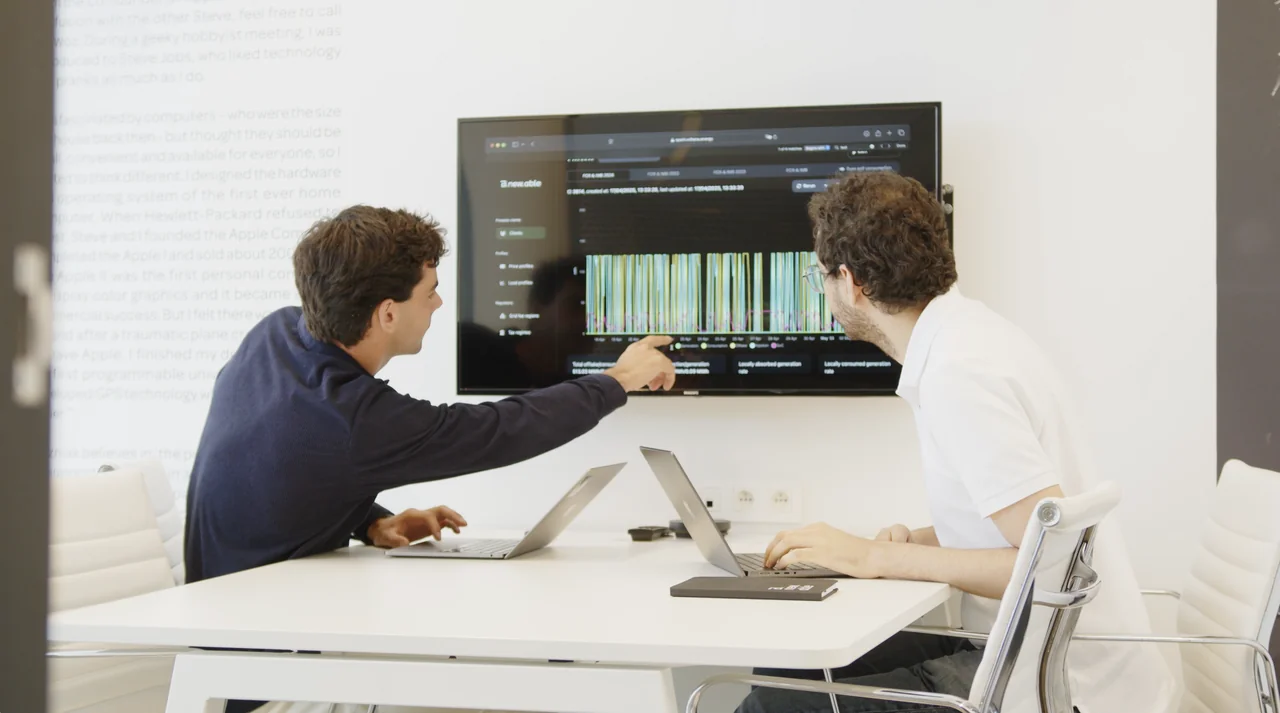
As more of your operations electrify, your exposure to peak charges grows too. A single spike, a machine starting up or a hot afternoon, can drive up your peak costs for months to come.

Electricity prices swing with weather, demand, and supply on the grid. If your consumption doesn't flex with the market, you're exposed to that volatility every single hour, including the expensive ones.

Solar overproduction doesn't always mean savings. Exporting at low or negative prices can quietly eat into the value your system was meant to create.
A battery only saves you money if someone is actively managing it: deciding when to charge, when to discharge, and when to hold. That someone is us. Bnewable finances, installs, and operates a behind-the-meter battery on your site — without the capex, investment risk, and extra headcount for you. Instead of owning a battery, you simply get the results of having one.
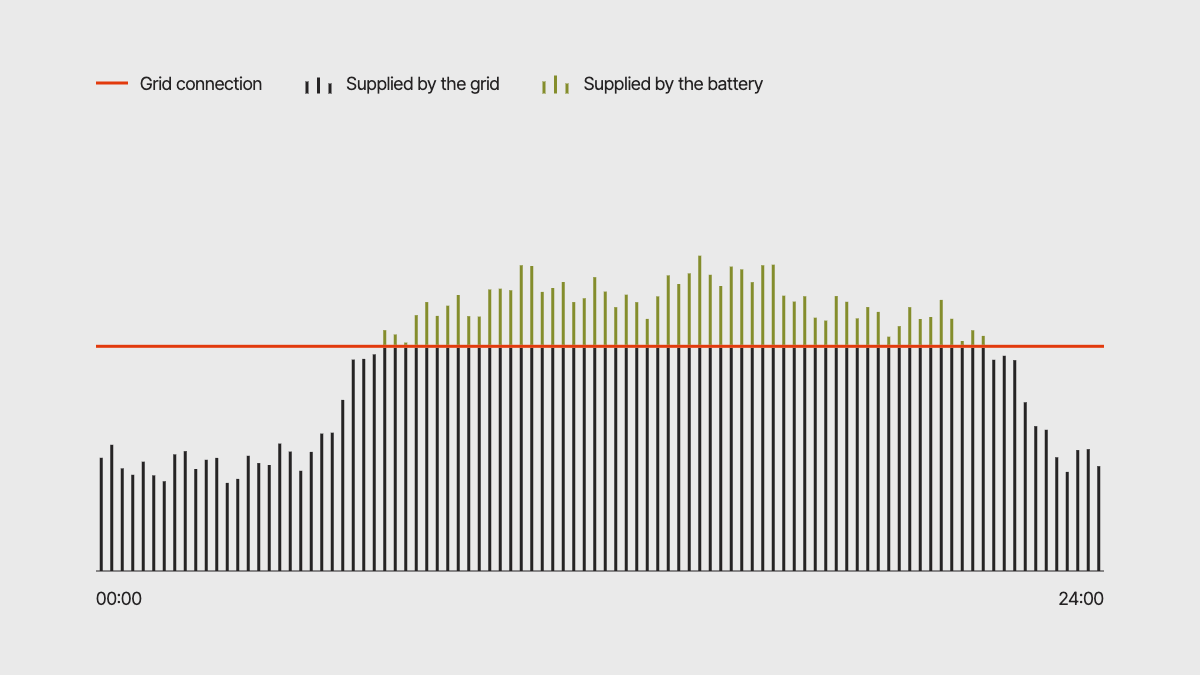
Lower your capacity tariff with a battery that covers your demand peaks instead of the grid, without any change to your operations.
Store your solar surplus instead of feeding it back at a lower rate or losing it, so you can use your green energy in the evening too.

Bnewable's battery takes over when your site needs more power than your grid connection can handle. You get the extra capacity of a grid upgrade, without the years of waiting or the costs that come with it.
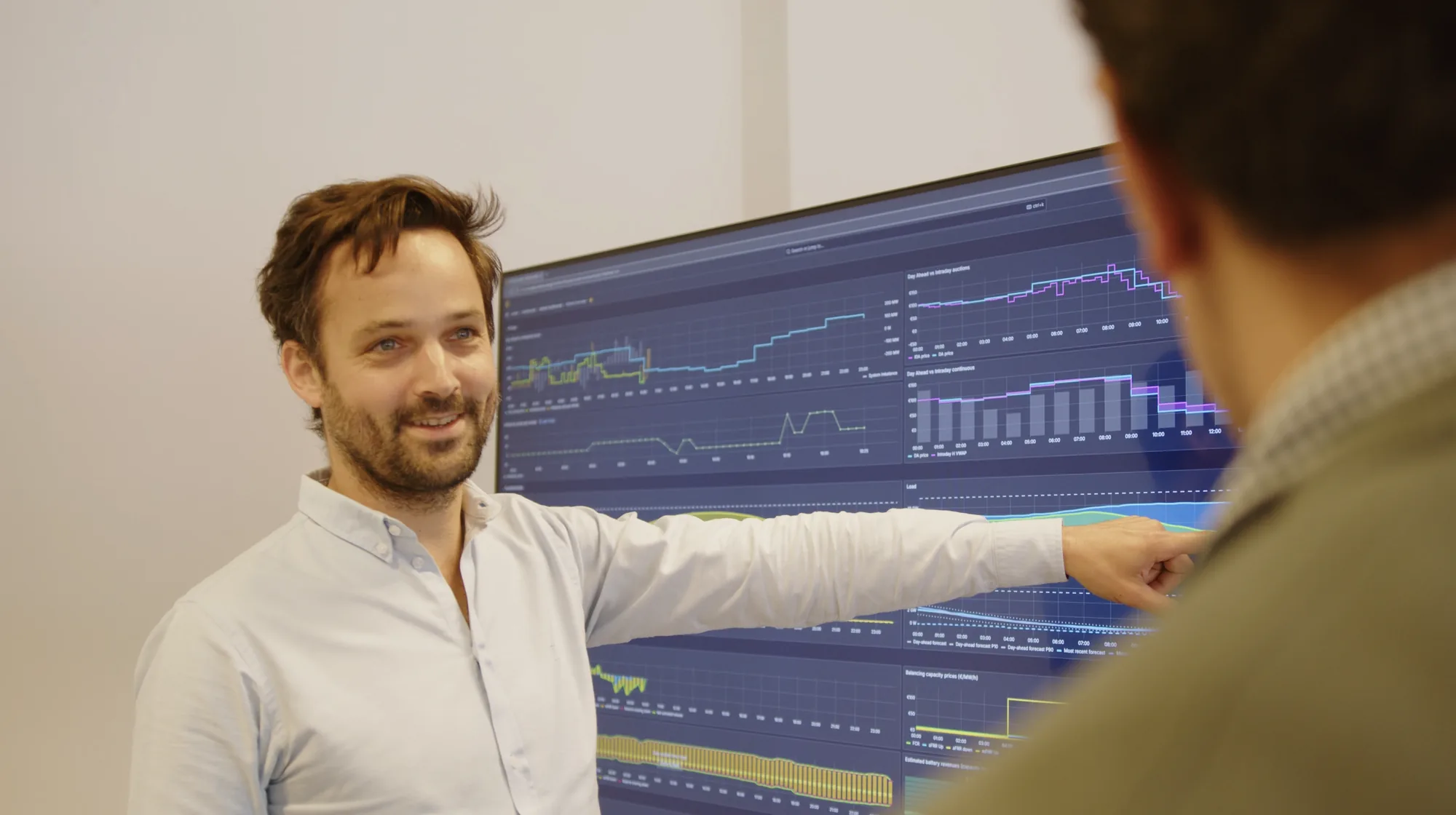
Bnewable's energy management system, Voltana trades your battery's flexibility on the energy markets, adding a revenue stream on top of your savings, automatically.
Testimonial

Bnewable took up the roles of both an energy- and project director for us. From the building permit to negotiations with Fluvius; they absorbed all the risks we faced.

It depends on your profile. For most industrial sites, capacity and grid costs increasingly drive that share. Your bill splits into three parts: what you consume, what you pay for the peak you reach, and the taxes and levies that apply to both. A site with sharp, short peaks pays disproportionately for them.
They work on different parts of the bill. Switching supplier changes the price you pay per kilowatt-hour and leaves your peaks and grid costs where they are. Changing when you draw power moves the capacity charge and the network costs, both of which have been rising. The two are not alternatives, and most sites have already done the first.
Contact us to explore how our battery storage can help your business reduce its electricity costs.